Spatial Planning & Brand Integration
Configuring spatial models, wayfinding, environmental graphics, and experiential cues so place, brand, and use reinforce each other.
What it solves
Developments often separate planning from identity and experience. RootPlat connects spatial configuration, brand presence, movement, and user engagement into one project logic.
When it is needed
- A project needs spatial planning tied to market and brand value.
- Wayfinding, environmental graphics, or sensory experience must support the project identity.
- Residential, commercial, or mixed-use models need clearer spatial hierarchy.
What RootPlat delivers
- Spatial planning framework
- Brand-in-space principles
- Experience criteria
- Wayfinding and touchpoint direction
- Program and movement logic
Related work
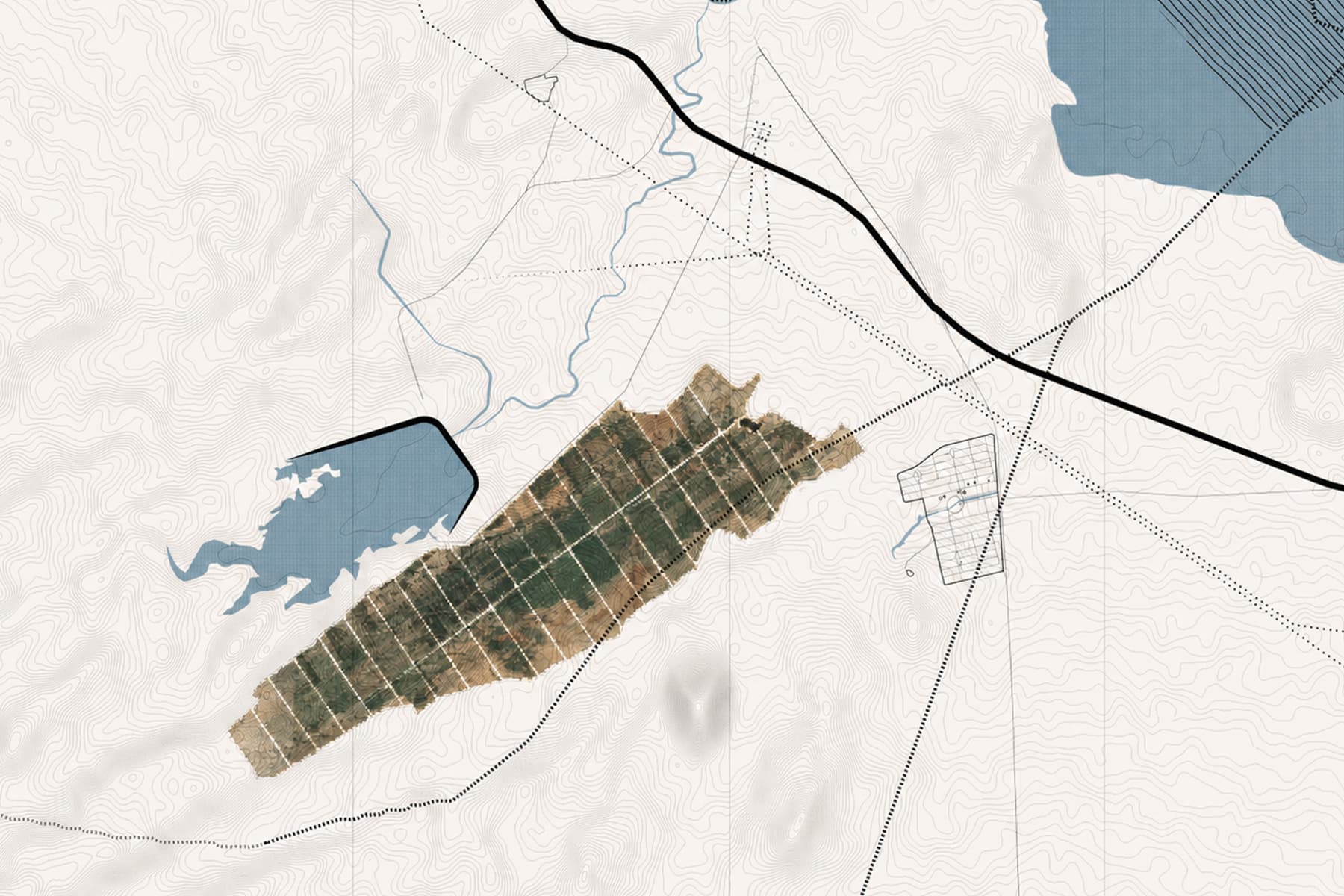
Qeyghaj Art Farm
A multi-functional rural and cultural development framework connecting accommodation, agriculture, research, recreation, and art.
Real-Estate Development StrategySpatial Strategy
Case study
Gereh
A strategic urban intervention in Tabriz connecting trade heritage, vertical development, public experience, and socioeconomic resilience.
Spatial StrategyBrand Strategy
Case studyNokhost / Alibaba Workplace
A strategic workplace framework that turns Alibaba’s headquarters into an adaptable campus for a growing travel ecosystem.
Workplace StrategyArchitectural Brief
Case studyNext step